Comfort, stability and a natural look. Eat and smile with confidence.
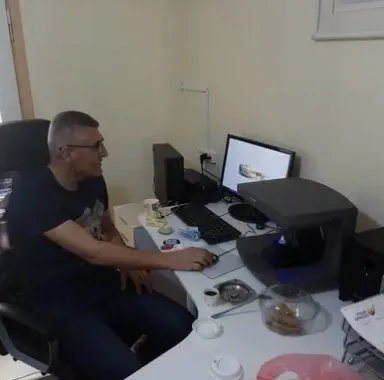
5 min readBy Khaled Hawash
When teeth are missing, everything gets harder.
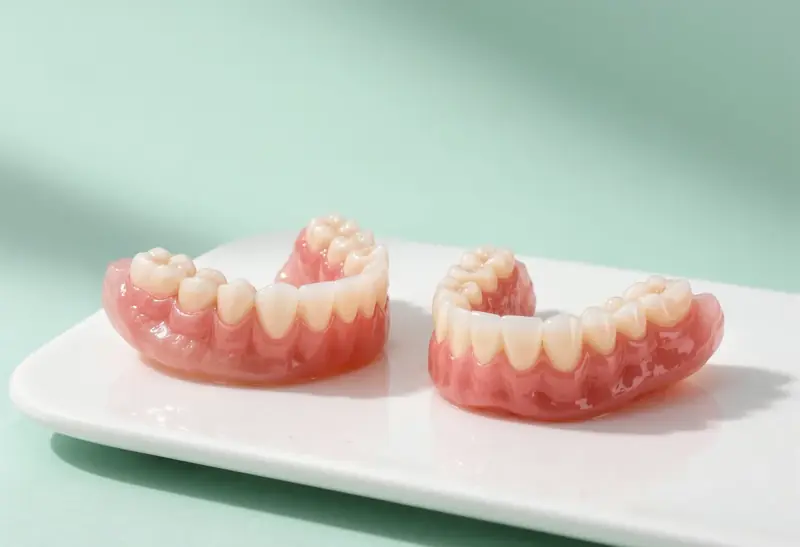
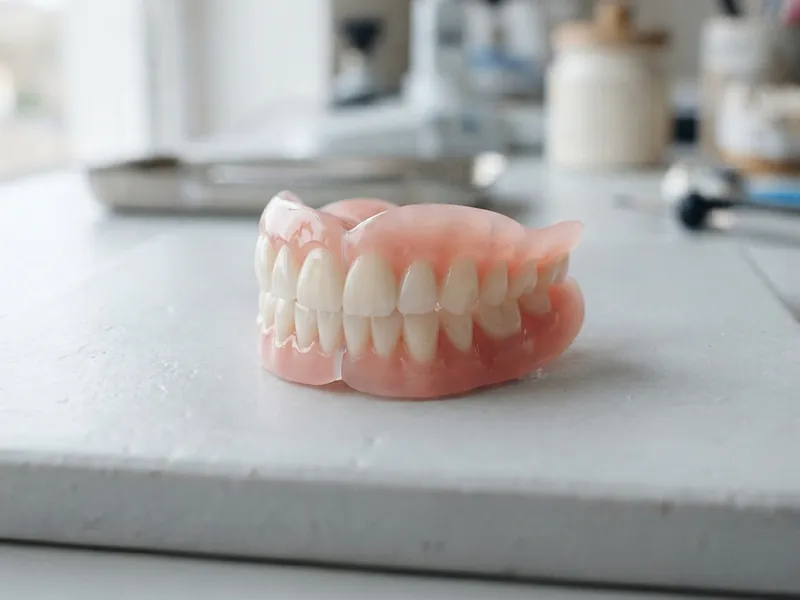
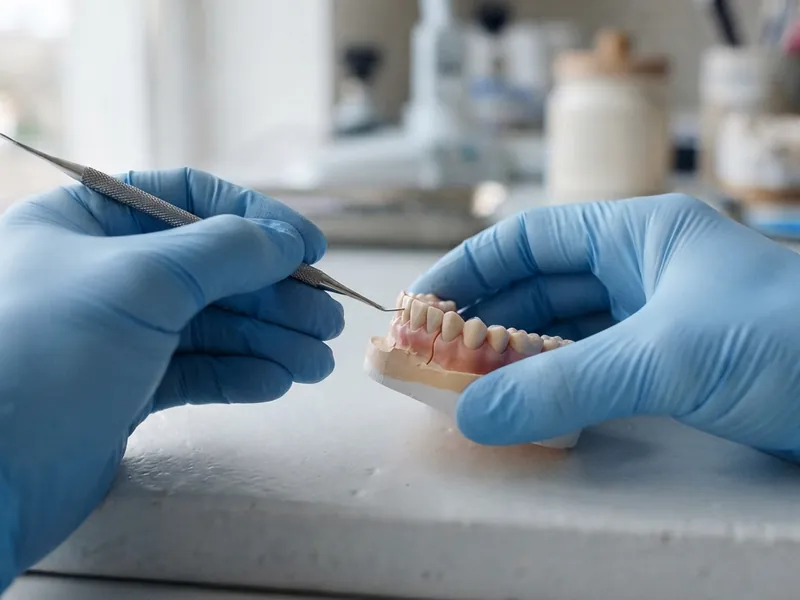
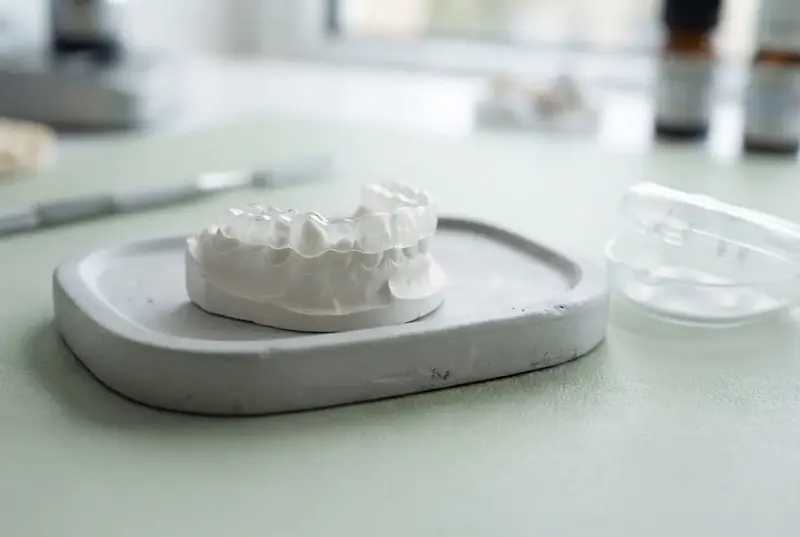
A denture is a set of removable teeth that replaces missing ones. It brings back the ability to chew, speak clearly and smile, and it also supports the lips and cheeks, so the face doesn't look sunken.
If any of these sound familiar, it's worth talking to your dentist:
Chewing is hard
Your speech has changed
Several teeth are missing
An old denture doesn't fit
Two types, one goal.
The main difference is how many natural teeth are left in the jaw. Tap to see how each one is built.
Natural toothDenture toothGum-colored baseFrame and clasps
Complete denture
Replaces all the teeth in the upper jaw, the lower jaw, or both.
Rests on
The gums and bone. In the upper jaw the base covers the palate and holds on with gentle suction.
Made of
An acrylic gum-colored base with denture teeth.
Suited to
People with no natural teeth left in that jaw.
Partial denture
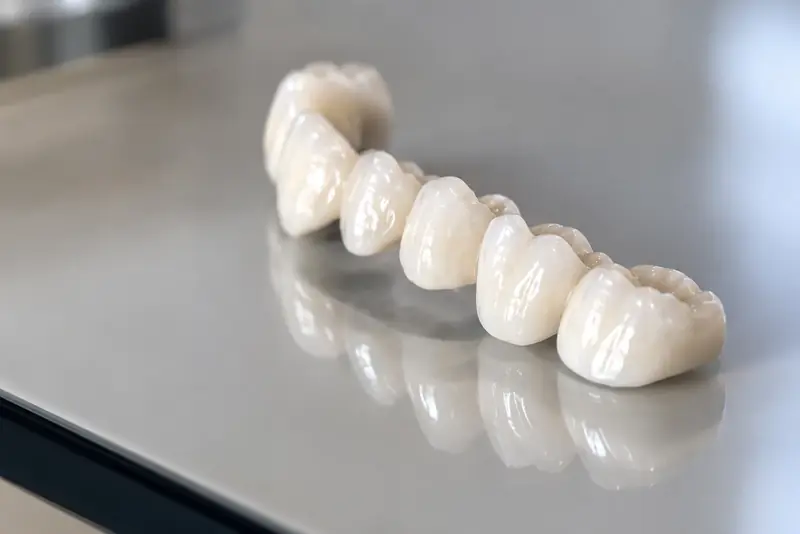
Fills the gaps when some natural teeth remain, like a puzzle piece that completes what's missing.
Holds on to
The natural teeth, with small clasps.
Made of
A thin metal frame or an acrylic base, as decided with the dentist.
Protects
The remaining teeth, so they don't drift into the gaps.
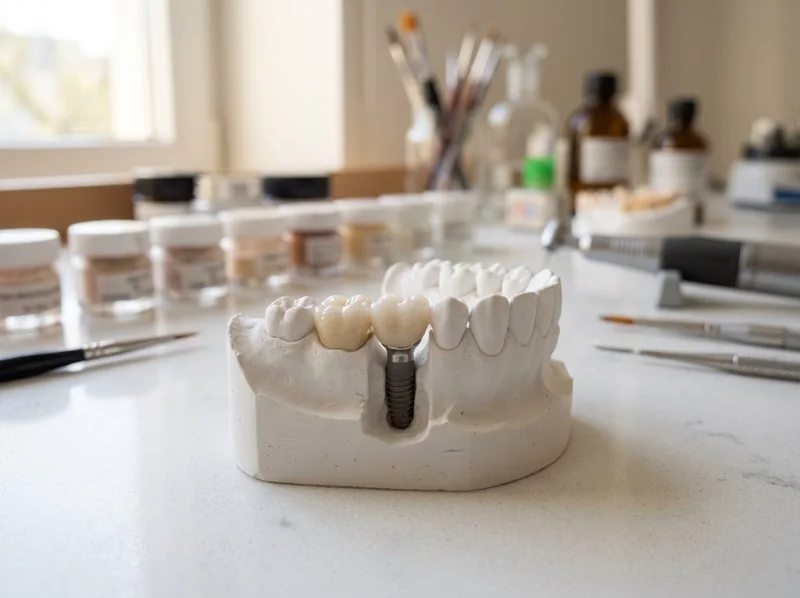
There are also implant-supported dentures, for extra stability. The decision is made together with your dentist. About implant work in the lab
From impression to smile.
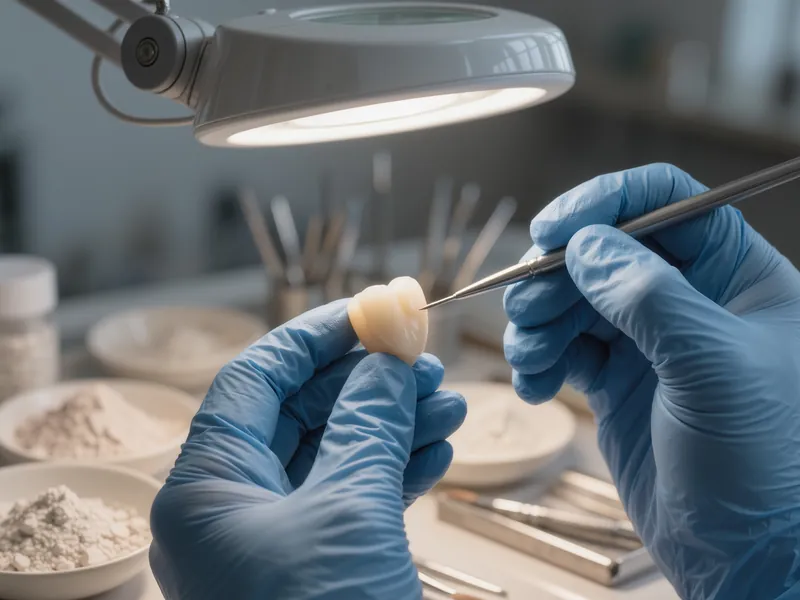
A good denture is built in several stages, and each one checks the one before. Usually 5-7 working days from when the impression arrives from the clinic.
Impression
The dentist takes an impression of the mouth, and it is disinfected before work begins.
Model and bite record
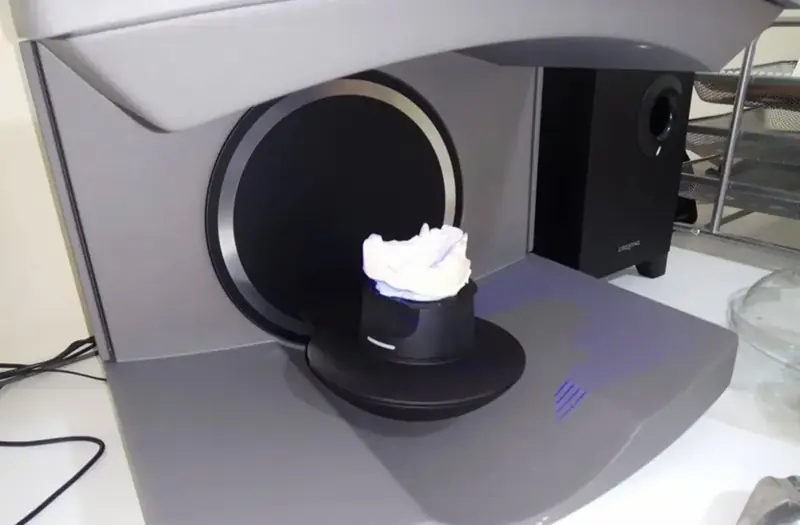
We build an accurate model and record how the jaws close.
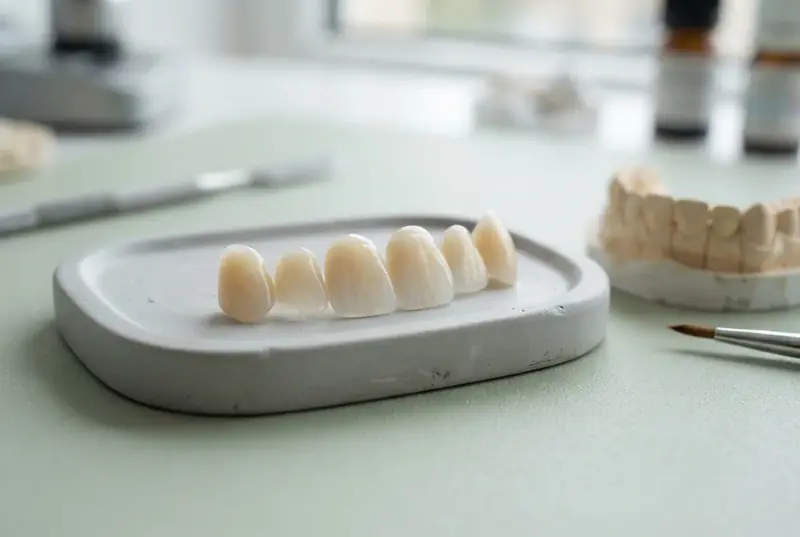
Wax setup
The teeth are set on a wax base and we check shape, shade and bite.
Try-in
The dentist checks the look and the bite, and changes are made now, while it's still easy.
Finishing and polishing
The wax is replaced with acrylic, and the denture is polished until it's smooth.
Fit
It goes in, gets checked and adjusted until it sits comfortably.
It takes time to get used to. That's normal.
At first the denture feels big and strange. The mouth adapts gradually, usually within a few weeks.
Start softCut food into small pieces and chew on both sides at once.
Practice out loudReading aloud helps the tongue and lips adapt faster.
Pressure or a sore spot? Come backDon't suffer in silence. A small adjustment at the dentist or in the lab solves most cases.
The first weekIt feels big and strange. Start with soft food and small bites.
Weeks two and threeThe tongue and lips get used to it. Speech improves day by day.
After a monthMost people eat and talk normally, hardly thinking about it.
Over the yearsRegular checkups and a reline when needed keep the fit good.
A few small habits, years of use.
Do
Clean it every day with a soft brush and a denture cleaner.
Rinse it after every meal.
Clean it over a sink with water or a towel, so it won't break if it falls.
Take it out at night and keep it in a glass of water, unless the dentist said otherwise.
Don't
Use very hot water, it can warp the shape.
Use regular toothpaste or a hard brush, they scratch.
Let the denture dry out.
Fix it yourself with glue, it ruins the fit.
You can come to us directly for these, no referral needed.
Home visits are possible around Kiryat Tiv'on, by appointment.